Portable Toilet Rental in the USA: A Planning Checklist
Most rental problems trace back to a detail nobody confirmed before delivery day. This checklist covers the ones that actually cause trouble.

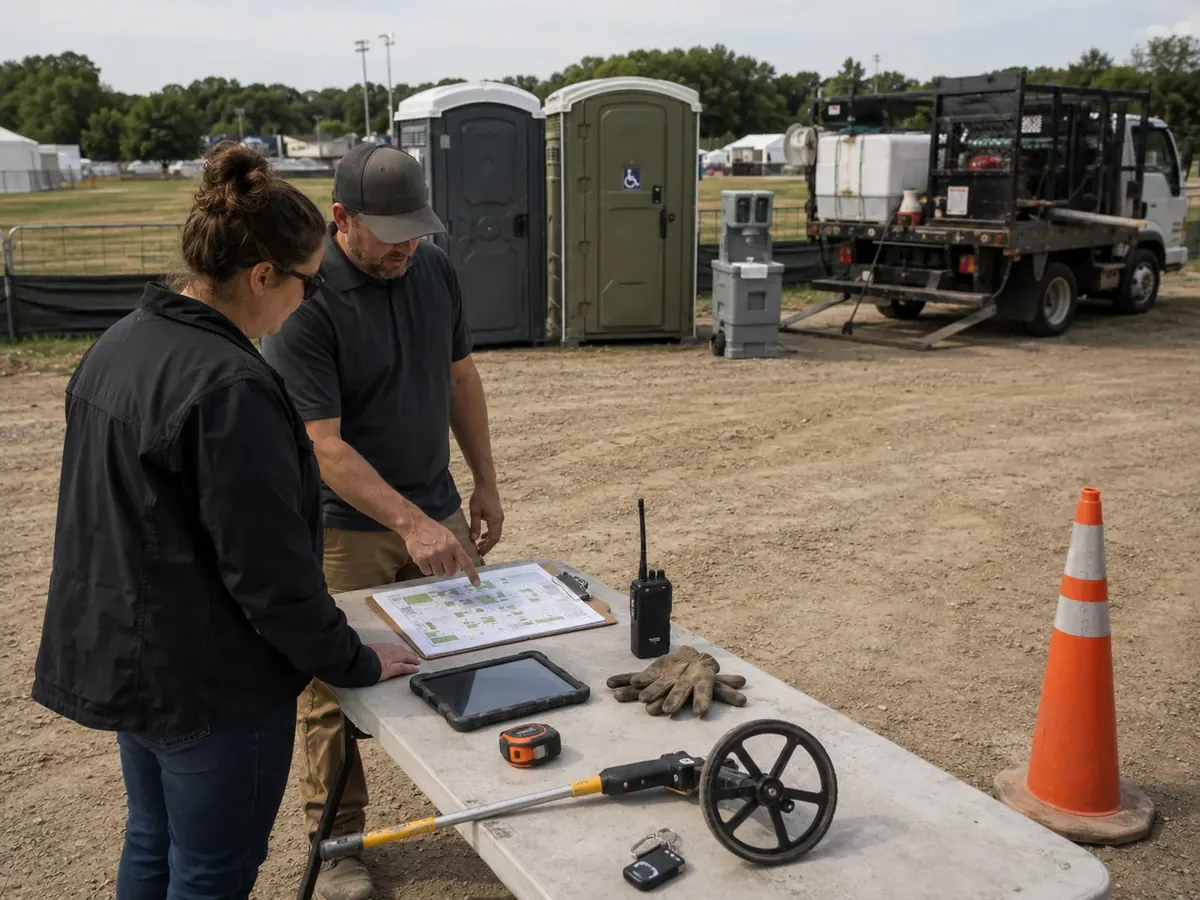
Before you call
A rental conversation goes faster when you already have five things: the delivery address with ZIP code, the rental start and end dates, the expected crew size or attendance, the type of site, and a rough idea of where the units will sit. With those, most availability questions can be answered on the first call rather than the third.
The ZIP code matters more than people expect. It determines which route covers the site, what inventory is realistically available for your dates, and how delivery and servicing are priced. An estimate given without an address is a guess; browse the current rental options before calling so you already know roughly what you are asking about.
Sizing and unit mix
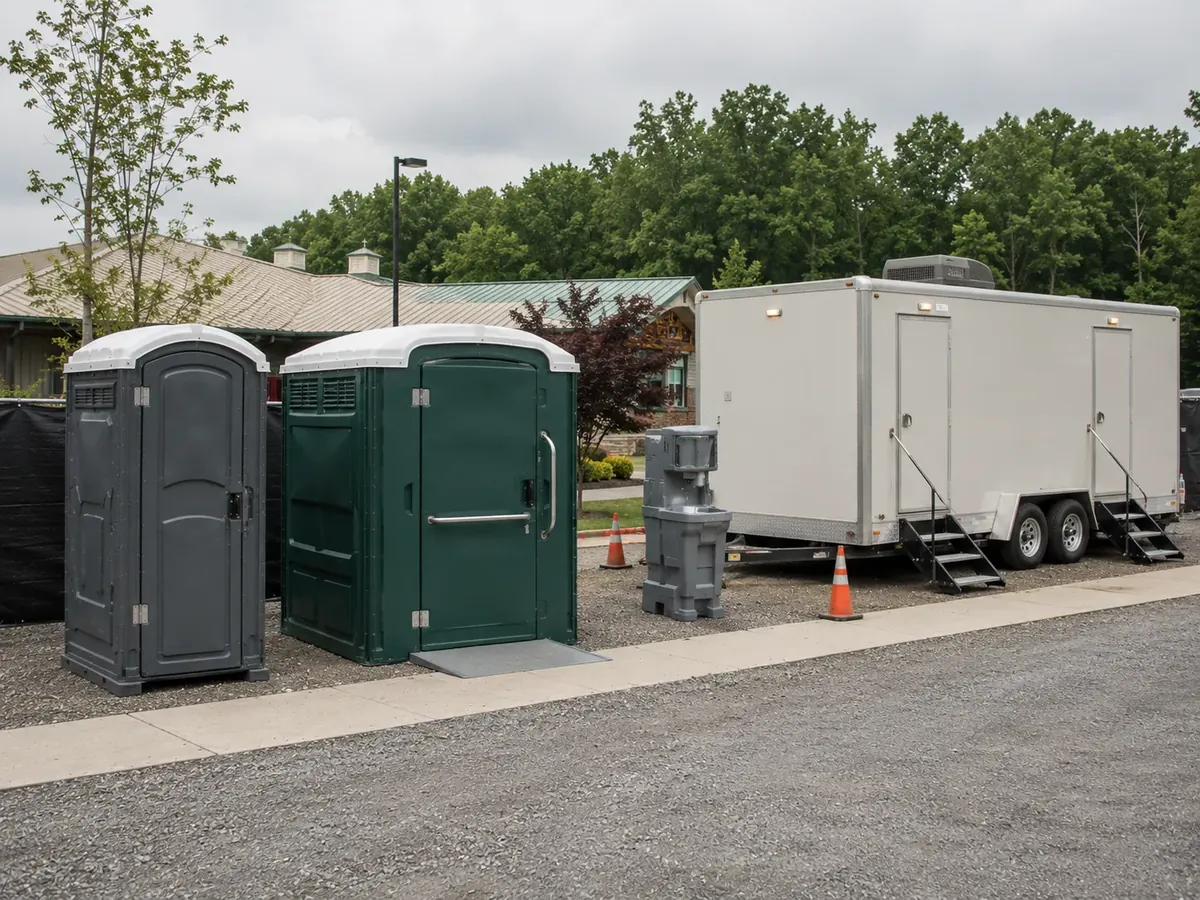
Decide the total count first, then the mix. Most sites need a base of standard units, at least one accessible unit per cluster, and handwashing capacity where food is served or where the crew handles materials. Weddings, corporate events, and productions frequently justify an upgraded option for guest-facing areas while keeping standard units back of house — comparing the unit types side by side makes that split easier to settle.
Write the mix down before you call. "Twelve units" is ambiguous; "ten standard, one accessible, two handwashing stations, split across two locations" is a plan that can be quoted, delivered, and serviced without a follow-up conversation.
Placement and site access
Walk the placement area before booking rather than describing it from memory. Photographs of the spot and the approach route are genuinely useful, and most rental desks welcome them.
Ground and clearance
The ground must be firm and level enough to set a unit safely, with overhead clearance for delivery. Soft ground after rain, a low branch over the only approach, or a slope steep enough to make a unit unstable are all worth catching before the truck is dispatched.
Service truck route
A truck has to reach the spot on delivery day and on every service visit after it. A gate that gets locked at night, a barrier that goes up during the event, or a route that only exists while the site is empty are the details that turn into delivery-day phone calls.
Distance from the people using it
Units placed too far away go unused and people improvise; units placed too close to food service create a different problem. Somewhere visible, reachable in under a minute, and slightly downwind of dining is usually the right compromise.
Service schedule and duration
For anything beyond a short event, the service schedule is as important as the unit count. Servicing typically covers pumping, cleaning, deodorising, and restocking supplies. Frequency should follow actual usage: a heavily used cluster on a large crew site needs more frequent attention than a low-traffic unit on a small residential project.
Agree the schedule when you book rather than adjusting it after complaints start. If the site conditions change — the crew doubles, the project extends, a second shift is added — call and revise it. Changing frequency mid-rental is routine; discovering the frequency was wrong from a complaint is not.
Delivery day and pickup
Keep the placement area clear and accessible on delivery day, and make sure someone on site can direct the driver if the location is not obvious. If access requires a gate code, a security check-in, or a specific entrance, pass that information along before the truck is dispatched.
Arrange pickup when you book delivery. Ask the provider about continuing charges, collection notice, and service areas. If your end date is uncertain, agree how and when you will confirm it.
Save a copy to compare vendor quotes and review your site before delivery.
Frequently asked questions
The delivery address with ZIP code, rental dates, expected crew size or attendance, the type of site, and a rough placement location. Those five details are enough to check availability and discuss pricing on a single call.
Popular event dates, large quantities, and restroom trailers can book out well ahead. Call as soon as the venue, date, and approximate attendance are known. Job-site rentals are usually more flexible but still depend on local route capacity.
Firm, level ground that will support the unit safely, with a clear approach for the delivery and service truck. Avoid soft ground, steep slopes, and areas prone to standing water.
Scheduled servicing is arranged as part of the rental and typically includes pumping, cleaning, deodorising, and restocking. Frequency is agreed when you book and can be revised if site usage changes.
Call before the scheduled pickup date. Extending is normally straightforward, but it depends on inventory and route availability, so earlier notice gives more options.
Sources
Regulations change and local requirements vary. Confirm current requirements with the authority having jurisdiction for your site.
Star Portable Restrooms Editorial Team
Star Portable Restrooms publishes rental planning guides and helps customers make inquiries to local providers. Articles use the sources listed on each page; they are not accounts of equipment owned or jobs performed by Star. Confirm the equipment, price, and service plan with your rental provider.
About Star →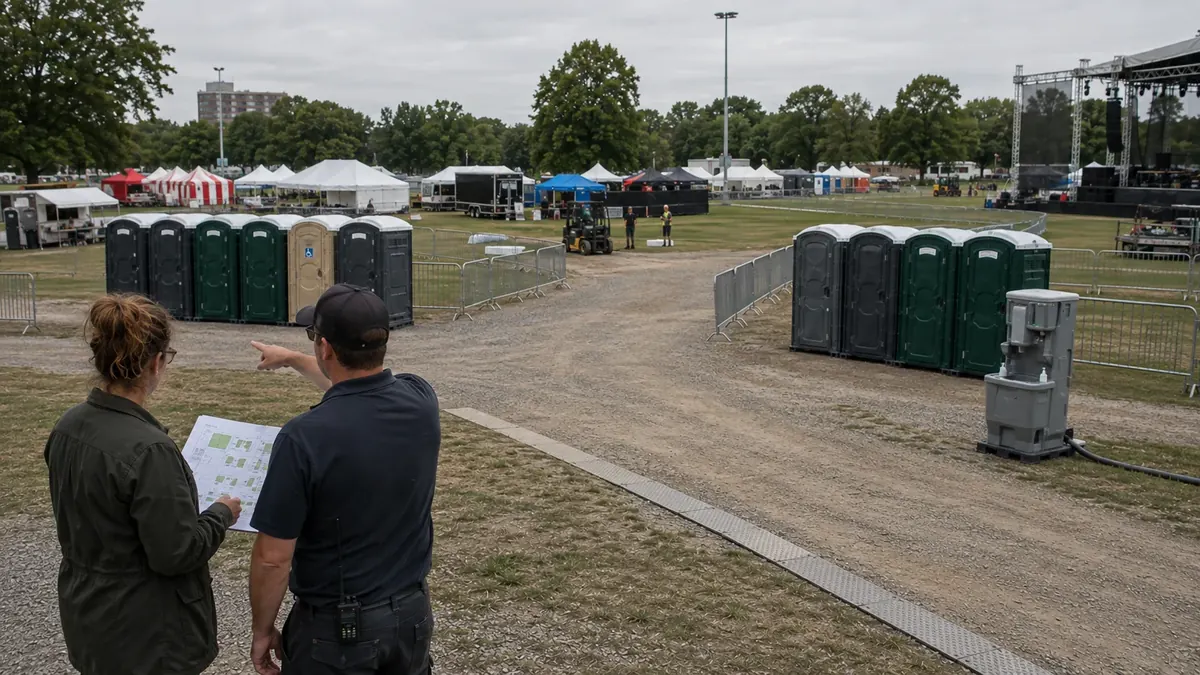
Check availability for your site
Call with your delivery ZIP code, dates, project type, and estimated attendance or crew size.