How to Clean a Porta Potty
There are two different questions here. One has a straightforward answer, and the other has a regulatory one.

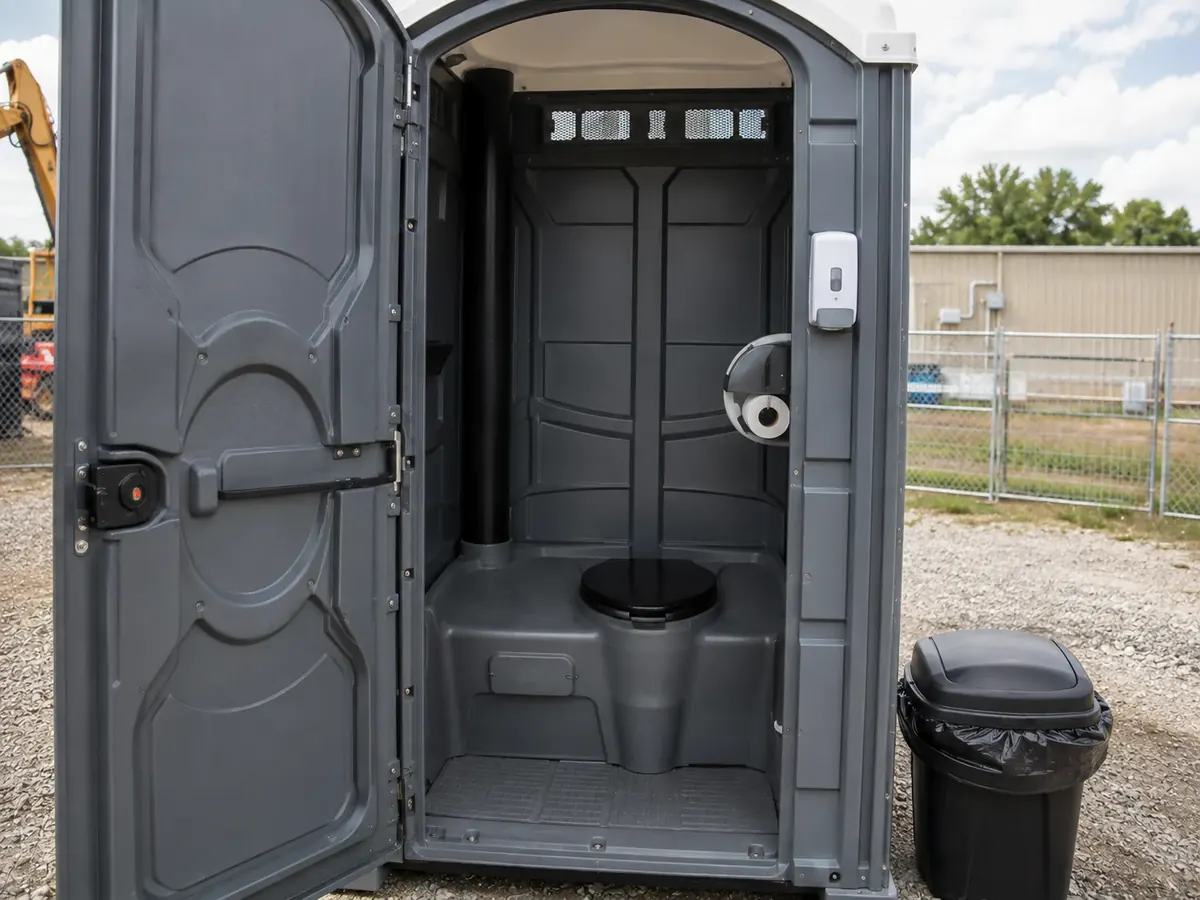
Two different jobs
When people search for how to clean a portable toilet they usually mean one of two quite different things: how the professional service actually works, or what they can do themselves to keep a rented unit pleasant between visits.
The distinction matters because only one of them is something you should be doing. Emptying and treating the tank is regulated waste handling requiring a vacuum truck and a licensed disposal point. Wiping down the interior surfaces is ordinary cleaning that anyone can do. This covers both, starting with what the service involves so the second part makes sense.
What professional servicing involves
A service visit is a defined sequence, and on a well-run route it takes only a few minutes per unit.
Pump the tank
A suction hose from the vacuum truck goes into the service port and draws the tank contents out under vacuum. Nothing is emptied on site and nothing is drained to ground — the waste stays in the truck until it reaches an approved receiving point.
Rinse and agitate
Fresh water is introduced and the tank is rinsed, often with a wand, to lift residue off the tank walls that the initial suction left behind. On a heavily used unit this step is the difference between a tank that stays serviceable and one that builds up.
Clean and disinfect surfaces
The seat, lid, urinal, walls, door handle, latch and floor are washed with a disinfectant cleaner. These are the surfaces users actually touch, and they matter more for perceived cleanliness than anything happening in the tank.
Recharge and restock
A measured dose of deodorising treatment plus a few gallons of water go into the empty tank, and consumables are replaced — toilet paper, hand sanitiser, seat covers where provided. The technician also checks the vent, door hardware and unit condition and flags anything needing repair.
The waste then goes to a municipal wastewater treatment plant or a licensed septage facility. Disposal is tracked, and it is the reason a rental unit must never be used as a dumping point for anything else — a contaminated load is a genuine problem at the receiving end.
What you can safely do yourself
On a long rental, particularly on a job site or at a multi-day event, a small amount of attention between service visits noticeably improves things. All of this is surface work.
Wipe down high-touch surfaces with a mild disinfectant cleaner and disposable cloths or wipes — the door handle and latch first, then the seat and lid. Sweep or mop out the floor if the site is muddy, because tracked-in dirt is the most common reason a unit looks neglected when the tank is actually fine. Keep the paper dispenser stocked and the sanitiser topped up if you hold supplies on site. Empty and reline the rubbish bin beside the unit, which is what stops people improvising into the tank.
Wear gloves, wash your hands properly afterwards, and dispose of used cloths and wipes in the bin rather than the toilet. That is genuinely the whole list.
What not to do
Do not pour bleach into the tank. It is the most common mistake and it is counterproductive: bleach can react with tank chemistry inside a sealed space, it can suppress the treatment that is actually controlling odour, and it complicates lawful disposal. The same applies to solvents, drain cleaners, fuel and paint.
Do not attempt to empty the tank. Beyond needing equipment you do not have, discharging that waste to ground, to a storm drain, or into a domestic toilet is an environmental offence in essentially every jurisdiction, and the volumes involved are far beyond what a household system can take.
Do not pressure-wash the interior. It aerosolises exactly what you do not want aerosolised, and it can force water past seals.
Do not add your own deodorising chemical. Dosing is matched to tank size and water volume, and a colour change usually indicates a full tank rather than a chemical shortage.
When cleaning is not the answer
If a unit smells strongly despite a working vent, if the tank fluid has gone from blue through green to brown, or if the unit is visibly at capacity, no amount of surface cleaning will fix it. Those are all signals that the service interval is wrong for the actual usage.
That is a scheduling conversation rather than a cleaning task, and it is a routine one. If a crew doubled, a second shift was added, or an event drew more people than planned, the frequency should be revised. Under-specifying servicing to save money reliably produces complaints, and correcting it mid-rental is easier than living with it.
The same logic applies in reverse. If units are consistently barely used by the time the truck arrives, the frequency can come down and so can the cost.
Keeping units clean by design
The most effective cleaning happens before anything gets dirty. A lined rubbish bin beside each cluster removes the reason people put things in the tank. Adequate lighting after dark reduces mess considerably. Placement on firm ground rather than mud cuts tracked-in dirt at source. Handwashing capacity within sight of the units improves behaviour more than any sign.
A short, clearly worded notice inside each unit about proper use prevents most misuse, and on a construction site raising it once in a toolbox talk when units arrive works better than a sign alone.
Frequently asked questions
Professional servicing pumps the tank with a vacuum truck, rinses it, cleans and disinfects the touch surfaces, then recharges the deodorising treatment and restocks supplies. Between visits, a renter can safely wipe down high-touch surfaces with a mild disinfectant and keep the floor and bin clear.
No. It requires a vacuum truck, and the waste must go to an approved receiving point. Discharging it to ground, a storm drain, or a domestic toilet is an environmental offence in essentially every jurisdiction.
No. Bleach can react with the tank chemistry in a sealed space, suppress the treatment controlling odour, and complicate lawful disposal. The same applies to solvents, drain cleaner, fuel and paint.
A mild disinfectant cleaner and disposable cloths or wipes are sufficient for the seat, lid, door handle, latch and floor. Wear gloves and put used cloths in the bin, not the toilet.
That usually means the service interval is wrong for actual usage rather than that the unit needs cleaning. Call and revise the frequency — it is a routine adjustment.
Sources
Regulations change and local requirements vary. Confirm current requirements with the authority having jurisdiction for your site.
Star Portable Restrooms Editorial Team
Star Portable Restrooms publishes rental planning guides and helps customers make inquiries to local providers. Articles use the sources listed on each page; they are not accounts of equipment owned or jobs performed by Star. Confirm the equipment, price, and service plan with your rental provider.
About Star →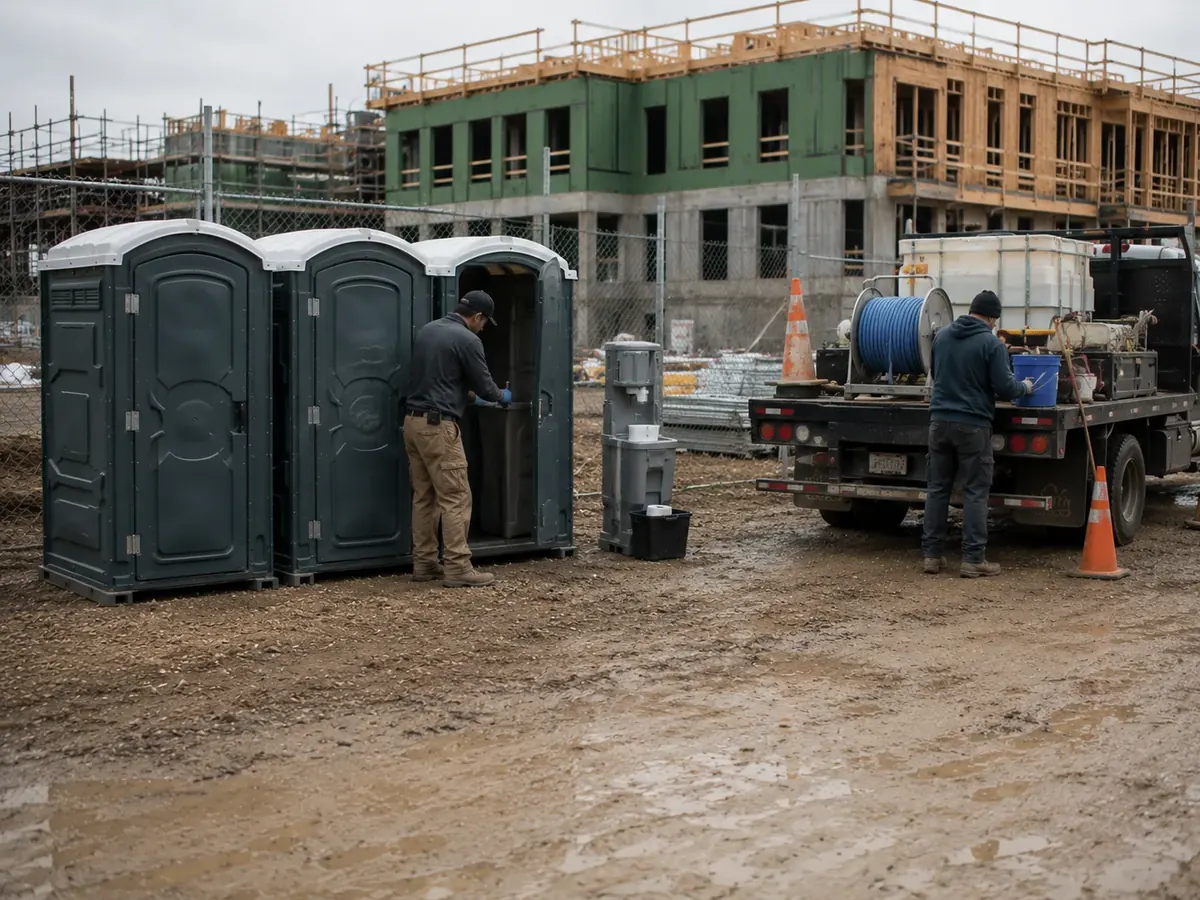
Check availability for your site
Call with your delivery ZIP code, dates, project type, and estimated attendance or crew size.